Herbal Supplements for Anxiety
Do They Really Work?
Herbal anxiety remedies may support natural stress relief, emotional calmness, and better mental wellness through plant-based ingredients and traditional healing methods.
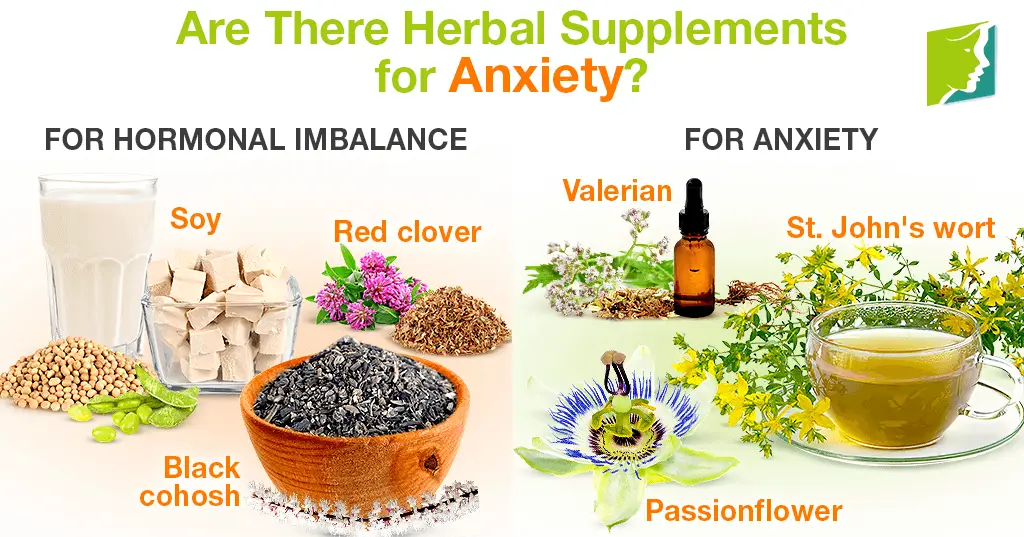
Millions of people deal with anxiety every day, racing thoughts, physical tension, that persistent sense that something is wrong. It’s no surprise that many turn to natural options before or alongside conventional treatment. Herbal supplements for anxiety have been used in traditional medicine systems for thousands of years, and today they’re among the bestselling products in the wellness industry.
But do they actually work? Are they safe? And how do they fit into a comprehensive mental health plan? Let’s look at the evidence honestly.
The Appeal of Herbal Anxiety Remedies
The reasons people reach for herbal supplements are understandable. They’re accessible over the counter without a prescription. They carry fewer social stigmas than psychiatric medication. Many people feel more comfortable with “natural” solutions. And for mild-to-moderate anxiety, some supplements do appear to offer real benefits.
The problem is that the supplement industry is far less regulated than the pharmaceutical industry. This means product quality, actual ingredient concentrations, and safety profiles vary enormously between brands. Knowing which supplements have real evidence behind them and how to use them responsibly is essential.
Herbal Supplements With the Most Evidence
Ashwagandha (Withania somnifera)
Ashwagandha is one of the most studied adaptogens for anxiety and stress. Multiple clinical trials have found it reduces cortisol levels, the body’s primary stress hormone and improves self-reported anxiety scores. It appears to work by modulating the hypothalamic-pituitary-adrenal (HPA) axis, which governs the stress response.
Most studies used doses between 300–600mg of root extract daily. Side effects are generally mild, though it’s not recommended during pregnancy or for people with thyroid conditions.
Valerian Root (Valeriana officinalis)
Valerian root has centuries of use as a sleep and anxiety aid. Research suggests it may enhance GABA activity in the brain, the same mechanism targeted by benzodiazepines, though far more mildly. It’s better studied for sleep than daytime anxiety, but some evidence supports its anxiolytic effects.
It’s typically well-tolerated but can cause drowsiness, making it better suited for nighttime use.
Passionflower (Passiflora incarnata)
Passionflower is one of the more promising herbal supplements for anxiety based on clinical research. A few small studies have found it comparable to low-dose oxazepam (a benzodiazepine) for generalized anxiety with fewer side effects like impaired job performance. It’s thought to work through GABA-related mechanisms as well.
Lavender (Silexan)
A proprietary oral lavender preparation called Silexan has been studied in several European trials for generalized anxiety disorder. Results have been genuinely impressive — comparable to lorazepam in some studies, with a favorable safety profile and no dependency risk. It’s available as Calm-Aid in the US.
Chamomile (Matricaria chamomilla)
Long used as a gentle calming tea, chamomile has also been studied in capsule form for generalized anxiety disorder. A long-term trial found it significantly reduced anxiety symptoms and relapse rates compared to placebo. It’s among the gentler, better-tolerated options available.
Lemon Balm (Melissa officinalis)
Lemon balm, often combined with valerian, shows promise for reducing anxiety and improving sleep. Its mechanisms likely involve GABA enhancement and inhibition of GABA transaminase, an enzyme that breaks down this calming neurotransmitter.
What Herbal Supplements Cannot Do
Here’s the honest answer that marketing materials won’t give you: herbal supplements are not a substitute for professional mental health care in moderate to severe anxiety disorders.
For generalized anxiety disorder, panic disorder, PTSD, OCD, or anxiety with significant functional impairment, evidence-based treatments including therapy and medication are far more effective than any supplement currently available.
Additionally, supplements can interact with medications. St. John’s Wort, often taken for mood, is one of the most problematic; it interferes with dozens of medications including antidepressants, birth control, and blood thinners. Even “natural” products need to be discussed with your healthcare provider.
If you’re currently taking prescribed medications, medication management with a qualified psychiatrist ensures that any supplements you’re considering are safe in combination with your existing treatment.
When to See a Professional
Supplements may be appropriate for mild anxiety or as a complement to treatment. But if your anxiety is affecting your daily functioning, your relationships, work, sleep, or sense of wellbeing it’s time for a professional evaluation.
A comprehensive psychiatric evaluation helps clarify what type of anxiety you’re dealing with, whether other conditions are present, and what treatment approach makes the most sense for you. Anxiety disorders are highly treatable and most people see significant improvement with the right care.
Counseling and therapy, especially cognitive behavioral therapy, is among the most effective treatments for anxiety and can be used alongside any supplements or medications you’re taking.
At Safer Psychiatry, the approach to herbal remedies is integrative not dismissive. Learn more about incorporating herbal remedies into a thoughtful, evidence-informed treatment plan.
Making Informed Choices
If you decide to try herbal supplements for anxiety, keep these principles in mind:
- Research the specific product, not just the ingredient. Look for third-party testing certifications (USP, NSF).
- Start with one supplement at a time so you can assess effects and side effects clearly.
- Tell your doctor or psychiatrist about everything you’re taking.
- Give it adequate time most herbal supplements need 4–8 weeks of consistent use to show effects.
- Monitor your symptoms with a simple daily log to evaluate whether things are actually improving.
Have more questions or want professional guidance on supplements and anxiety treatment? Contact us to speak with a knowledgeable provider.
FAQ
Frequently Asked Questions
Are herbal supplements for anxiety FDA-approved?
No. Herbal supplements are regulated as dietary supplements, not medications. They don’t require FDA approval before being sold, which is why quality and potency vary significantly between products.
Can I take herbal supplements alongside antidepressants?
Some can be combined safely, but others particularly St. John’s Wort carries serious interaction risks. Always consult your prescribing provider before combining supplements with any psychiatric medication.
How long do herbal supplements take to work for anxiety?
Most require 4–8 weeks of consistent use before meaningful effects are noticed. Unlike medications, herbal supplements generally work gradually rather than acutely.
Is ashwagandha safe for long-term use?
Studies up to 12 weeks show it’s generally safe for most adults. Long-term safety data is more limited. Taking periodic breaks and monitoring for side effects is a reasonable approach.
Can herbal supplements cause dependency?
Most herbal anxiety supplements do not cause physical dependency. However, psychological reliance is possible with any anxiety-management strategy. Use them as one part of a broader plan, not the only coping tool.