Bipolar Disorder Treatment Duration
A Real Timeline
Bipolar disorder treatment follows a gradual timeline that includes diagnosis, medication adjustment, therapy, and ongoing support for long-term emotional stability.
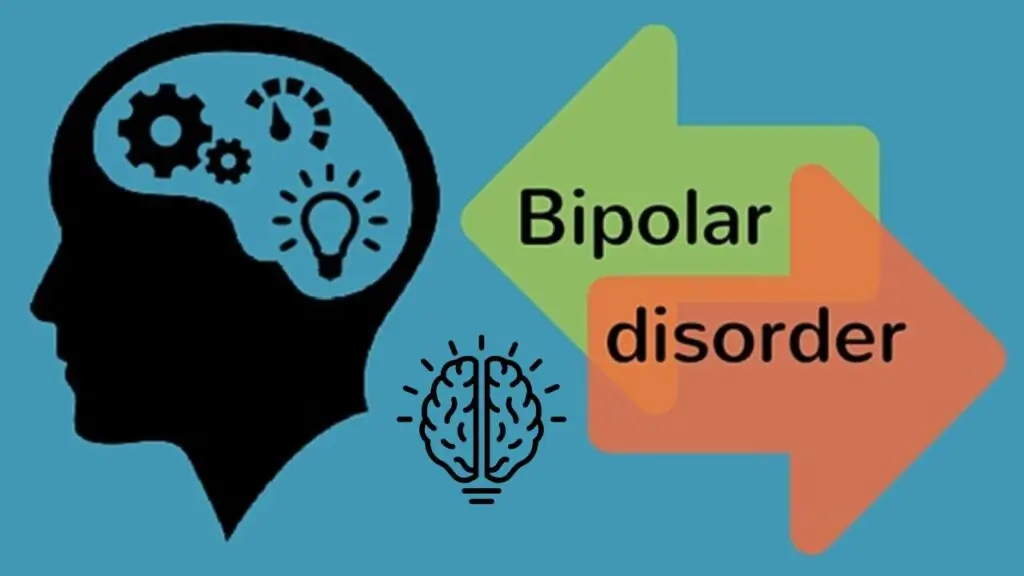
One of the most common questions people have after a bipolar disorder diagnosis is: How long will I need treatment? It’s a completely reasonable question and the honest answer is more nuanced than most people expect. Bipolar disorder treatment is not a short-term fix. It’s a long-term management strategy. But that doesn’t mean a life without freedom or stability. Quite the opposite.
Understanding what treatment actually looks like over time, the early phases, the stabilization period, and long-term maintenance helps people commit to care with realistic expectations rather than abandon it when progress feels slow.
Why Bipolar Disorder Requires Long-Term Management
Bipolar disorder is a chronic mood disorder characterized by recurring episodes of mania or hypomania alternating with depressive episodes. Unlike situational depression or a single anxiety episode, bipolar disorder has a biological basis rooted in how the brain regulates mood and energy.
Without treatment, episodes tend to become more frequent and severe over time, a phenomenon called “kindling.” Effective treatment doesn’t just address current symptoms; it alters the course of the illness, reducing episode frequency, severity, and the long-term neurological changes associated with repeated mood episodes.
This is why most psychiatric guidelines recommend long-term, often indefinite, bipolar disorder treatment for individuals with a confirmed diagnosis particularly those who’ve experienced multiple episodes.
Phase 1: Acute Treatment (Weeks 1–6)
The first phase of treatment focuses on stabilizing an active episode — whether that’s a manic, hypomanic, depressive, or mixed episode.
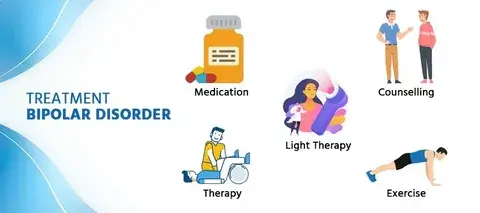
During this phase, your provider will likely initiate a mood stabilizer (such as lithium, valproate, or lamotrigine) or an atypical antipsychotic. Response time varies. Some people begin to notice improvement within one to two weeks. For others, it takes the full six weeks or more.
Managing expectations here is critical. The medication that ultimately works best may not be the first one tried. Dosing adjustments are common. And the early weeks of treatment when the brain is adjusting can feel uncertain.
Getting a thorough psychiatric evaluation before starting treatment is essential. Accurate diagnosis of bipolar type (I vs. II vs. cyclothymia), co-occurring conditions, and personal history shapes every subsequent treatment decision.
Phase 2: Stabilization (Months 2–6)
Once an acute episode is controlled, the stabilization phase begins. The goal here is consolidating the gains from acute treatment and preventing a rapid return of symptoms.
During stabilization, your provider monitors closely — adjusting medications, watching for side effects, and beginning to build the full treatment architecture. This is also typically when therapy becomes central.
Counseling and therapy particularly psychoeducation, cognitive behavioral therapy (CBT), and interpersonal and social rhythm therapy (IPSRT) helps people understand the illness, identify early warning signs, regulate sleep and daily rhythms (which directly influence mood), and develop coping strategies for stress.
This phase often lasts three to six months but can extend longer if the person has complex needs or has experienced many prior episodes.
Phase 3: Maintenance Treatment (Long-Term)
This is the phase most people need to understand before beginning treatment: for most people with bipolar disorder, maintenance treatment is lifelong.
That’s not a life sentence it’s a management strategy. Just as someone with diabetes takes insulin long-term, or someone with high blood pressure takes antihypertensives indefinitely, a person with bipolar disorder maintains medication to prevent future episodes.
Medication management during the maintenance phase is about finding the lowest effective dose, minimizing side effects, and staying vigilant for early signs of episode recurrence. Appointments become less frequent as stability increases typically every few months for stable patients.
The risk of stopping medication prematurely is significant. Studies show that discontinuing mood stabilizers even after years of stability dramatically increases the risk of relapse within weeks to months. Many people who stop treatment because they “feel fine” discover that the medication was why they felt fine.
What Affects Treatment Duration and Complexity?
Several factors influence how complex and intensive bipolar treatment needs to be:
Number of prior episodes: More episodes typically mean longer treatment and sometimes higher medication doses. Early intervention leads to better long-term outcomes.
Episode type: Bipolar I (full manic episodes) generally requires more intensive treatment than Bipolar II. Mixed episodes and rapid cycling are more challenging to stabilize.
Co-occurring conditions: Anxiety disorders, ADHD, substance use, and trauma are extremely common alongside bipolar disorder and must be addressed concurrently.
Lifestyle factors: Sleep disruption, substance use, high stress, and irregular schedules are major episode triggers. Addressing these is not optional; they directly affect how well medication works.
The Role of Genetic Testing
One of the most significant advances in recent bipolar treatment is pharmacogenetic testing genetic analysis that helps predict how a patient will metabolize specific medications. This can dramatically reduce the trial-and-error process that has historically frustrated both patients and providers.
Genetic testing can guide medication selection from the start, improving the chance of finding the right drug at the right dose earlier in the treatment process. For patients who’ve had difficult medication trials, it can be a genuine turning point.
Integrative Approaches as Complements
Some patients also incorporate herbal remedies as complementary support under the guidance of their psychiatrist. Certain supplements show mild mood-supportive effects. This must always be done with medical oversight some supplements interact with mood stabilizers in clinically significant ways.
Similarly, emotional support animals can provide meaningful companionship and emotional regulation support as part of a comprehensive treatment plan, particularly during difficult periods.
A Realistic Picture of Recovery
“Recovery” in bipolar disorder doesn’t mean cured. It means long periods of stability, the ability to work and maintain relationships, and resilience when episodes do occur. Most people with bipolar disorder when they receive consistent, quality treatment live full and meaningful lives.
The first year of treatment is often the hardest. Building the right medication regimen, learning about your own warning signs, and adjusting your lifestyle all take time. But people who stay the course consistently report that their lives improve profoundly over time.
If you’ve been recently diagnosed, or if you’ve struggled with bipolar disorder without finding the right care, don’t give up. The right treatment plan, delivered by the right team, makes all the difference.
Visit Safer Psychiatry to learn more about comprehensive bipolar disorder care, or contact us to start your journey toward stability today.
FAQ
Frequently Asked Questions
Can bipolar disorder be cured with treatment?
Bipolar disorder cannot be cured, but it can be effectively managed. Long-term treatment significantly reduces episode frequency and severity, allowing most people to live stable, fulfilling lives.
How quickly do mood stabilizers work for bipolar disorder?
Some improvement can appear within one to two weeks, but full stabilization typically takes six weeks or more. Finding the optimal medication regimen may take several months.
Is it safe to stop bipolar medication if I feel better?
Stopping medication because you feel stable is one of the most common and dangerous mistakes in bipolar management. Feeling well is usually a sign that treatment is working, not that it’s no longer needed.
Does everyone with bipolar disorder need medication for life?
Most people with bipolar I disorder and many with bipolar II require long-term medication. Guidelines for each individual vary based on episode history, severity, and other personal factors.
Can therapy replace medication in bipolar disorder treatment?
Therapy is essential but generally cannot replace medication for bipolar disorder. The most effective approach combines both medication to stabilize mood biology and therapy to build coping skills and resilience.