Grief vs Depression: How
to Tell the Difference
Grief vs depression can feel similar, but understanding the important emotional and behavioral differences helps guide healing, support, and mental wellness.
Two Painful Emotions That Often Look the Same
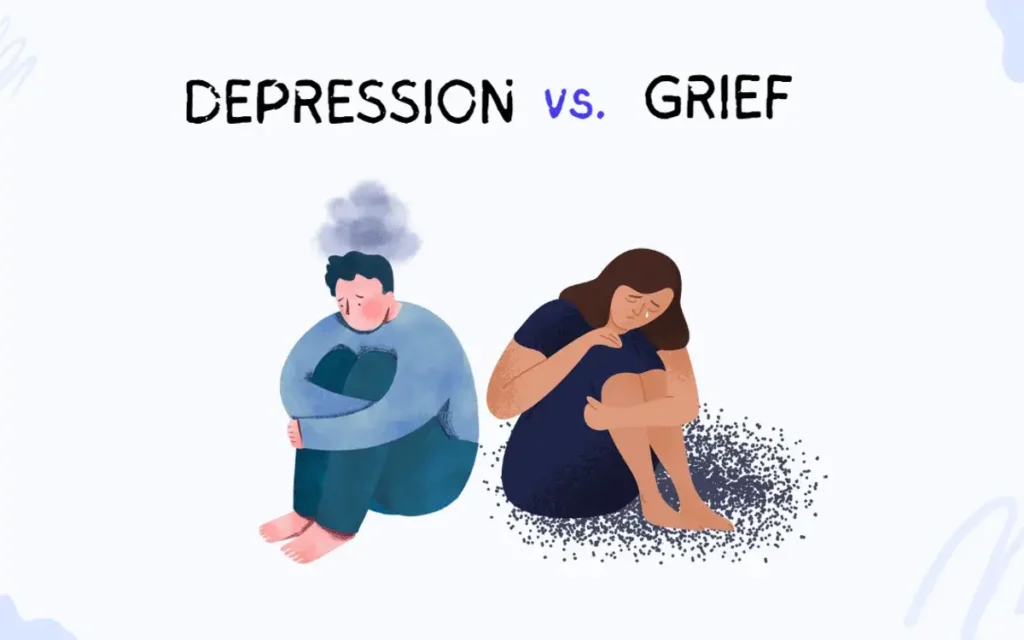
Losing a loved one, going through a divorce, or experiencing major life changes can bring overwhelming sadness. These feelings can look a lot like depression from the outside — and even from the inside. But grief and depression are not the same thing. While both involve deep emotional pain, their causes, duration, and treatment differ significantly. Understanding the difference is the first step toward healing. This article breaks down the key distinctions between grief and depression so you can identify what you or your loved one may be experiencing and seek the right kind of support from trained mental health professionals.
What Is Grief? Understanding Normal Emotional Response
Grief is a natural emotional response to loss. It typically follows the death of someone close, the end of a relationship, loss of a job, or any significant life transition. Grief is not a disorder it is a healthy, human process. According to mental health experts, grief often comes in waves. A person may feel devastated one moment and able to laugh the next. The sadness in grief is usually tied directly to thoughts of what or who was lost. Most importantly, grief tends to diminish over time, especially with social support and self-care practices.
What Is Depression? A Clinical Mental Health Condition
Depression, on the other hand, is a recognized clinical disorder with specific diagnostic criteria. It involves persistent feelings of sadness, emptiness, hopelessness, and loss of interest in activities once enjoyed lasting two weeks or more. Unlike grief, depression does not always have an identifiable external cause. It affects sleep, appetite, concentration, and energy levels. Depression can occur without any triggering loss, and it rarely improves without professional treatment. If you or someone you care about is showing these signs, reaching out to a qualified psychiatric provider is an important step. Learn more about comprehensive mental health support at Safer Psychiatry.
Key Differences Between Grief and Depression
One major difference is self-esteem. People experiencing grief usually maintain a sense of self-worth, even amid the pain. In depression, feelings of worthlessness and guilt are common and persistent. Another difference is emotional variability grief typically fluctuates with moments of positive emotion, while depression tends to create a constant low mood. Additionally, grief is usually connected to thoughts of the person or thing lost, while depressive thoughts are broader and more self-critical in nature. Suicidal thoughts can appear in both, but they are more persistent and dangerous in clinical depression. A proper evaluation from a psychiatric professional helps determine the correct diagnosis.
When Grief vs Depression Turns Into Depression: Complicated Grief
Sometimes grief does not follow a typical trajectory and instead intensifies over time, evolving into what clinicians call complicated grief or prolonged grief disorder. Signs include being unable to accept the loss months later, complete withdrawal from life, inability to function at work or home, and persistent thoughts of wanting to die to be with the lost person. This form of grief requires professional intervention. Counseling and therapy are particularly effective for complicated grief, and can significantly improve long-term outcomes. If you or someone you know is struggling with unresolved grief, consider exploring professional counseling and therapy services that are tailored to emotional healing.
How to Seek Help and What Treatment Looks Like
Treatment for grief-related depression often includes a combination of therapy, support groups, and in some cases medication. Cognitive behavioral therapy (CBT) and grief-specific therapies have shown strong results. For clinical depression, antidepressants prescribed by a licensed psychiatrist may also play a crucial role. Genetic testing can even help determine which medications will work best for your body, minimizing trial and error. You can learn more about how genetic insights can personalize your care at Safer Psychiatry Genetic Testing. Seeking help is a sign of strength, not weakness.
Emotional Support Animals: A Complementary Tool for Grief and Depression
An often-overlooked support for both grief and depression is the presence of an emotional support animal (ESA). ESAs provide companionship, reduce feelings of isolation, and offer a sense of routine and responsibility that can be grounding during emotional lows. While an ESA is not a replacement for professional treatment, they serve as a meaningful complement. To qualify for an ESA letter through a licensed mental health provider, explore the emotional support animal services available at Safer Psychiatry, where compassionate professionals guide you through the process with care and clinical expertise.
Final Thoughts
Both grief and depression are serious emotional experiences that deserve attention and care. The key is identifying what you’re going through so you can receive the appropriate support. Grief is a natural process that heals with time and connection, while depression requires structured clinical treatment. If you’re unsure which you’re facing, speaking to a psychiatric professional is always the right first step. Do not wait until things become unbearable. Early intervention leads to better outcomes. Reach out today and start your journey toward emotional wellness with compassionate, expert guidance from a trusted psychiatric care provider.
FAQ
Frequently Asked Questions
Can you have grief and depression at the same time?
Yes. Grief can trigger clinical depression, especially if you have a prior history of depression or lack of social support. This is called grief-related depression and requires professional evaluation and treatment.
How long does normal grief last?
There is no fixed timeline. Grief can last months or even years, but it typically becomes less intense over time. If grief is not improving after several months or is worsening, it may have evolved into complicated grief or depression.
What are the five stages of grief?
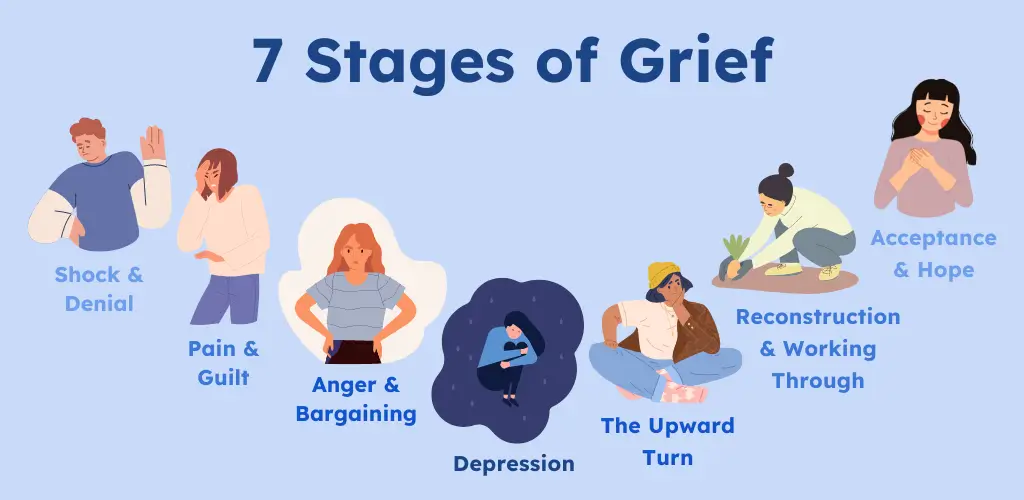
The five stages of grief denial, anger, bargaining, depression, and acceptance — were introduced by Elisabeth Kübler-Ross. These stages do not occur in a fixed order and not everyone experiences all of them.
Should I take antidepressants for grief?
Antidepressants are generally recommended for clinical depression, not typical grief. However, if grief has evolved into a depressive disorder, medication may be appropriate. Always consult a licensed psychiatrist for a proper evaluation.
When should I see a doctor about my grief?
You should seek help if your grief is lasting longer than expected, interfering with daily functioning, or if you are experiencing thoughts of self-harm. A mental health professional can provide a proper diagnosis and a tailored treatment plan.