
ADHD in Adults Symptoms
Most People Miss
ADHD in Adults Symptoms Most People Miss can quietly affect focus, organization, emotions, and daily routines without many people recognizing the signs early.
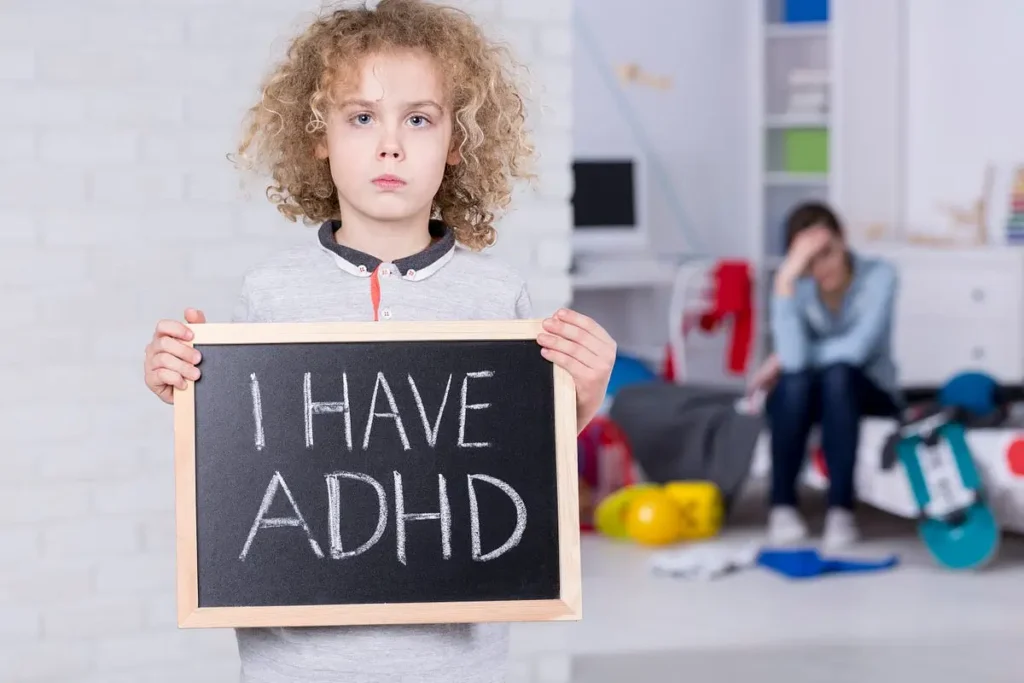
Most people picture a hyperactive child when they think of ADHD. But millions of adults live with this condition without ever receiving a proper diagnosis. The reason? ADHD in adults symptoms look dramatically different from childhood presentations, and they’re easy to mistake for personality flaws, laziness, or stress. If you’ve spent your life wondering why you can’t stay organized, finish what you start, or keep your emotions in check, you might be one of the many adults whose ADHD has slipped through the cracks.
Understanding ADHD in Adults Symptoms Most People Miss
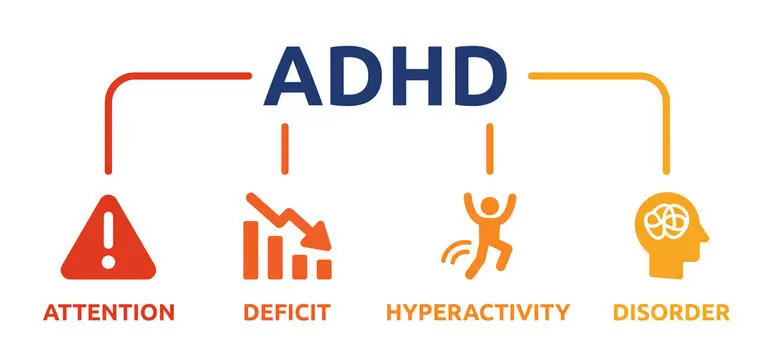
Attention Deficit Hyperactivity Disorder, commonly known as ADHD, is not just a childhood condition. Millions of adults live with ADHD, many of them undiagnosed for years or even decades. Adult ADHD can significantly affect career performance, relationships, finances, and overall quality of life. Because the symptoms often look different in adults than in children, it is frequently misidentified or dismissed as stress, laziness, or a personality flaw. Understanding what ADHD looks like in adults is the first step toward getting the help you deserve. At Safer Psychiatry, specialists are experienced in identifying and treating adult ADHD with a comprehensive, evidence-based approach.
Common Symptoms of ADHD in Adults
Adult ADHD manifests in a wide range of symptoms that can affect virtually every area of life. These include chronic disorganization and difficulty prioritizing tasks, frequent forgetfulness especially around daily responsibilities, trouble starting or completing tasks even when genuinely motivated, impulsivity in decision-making or speech, difficulty managing time and consistently running late, hyperfocus on interesting activities while neglecting important ones, emotional dysregulation including quick frustration or mood swings, low frustration tolerance, difficulty listening during conversations, and poor working memory. Many adults with ADHD also struggle with maintaining relationships due to perceived unreliability or emotional volatility. If these symptoms resonate with you, seeking a professional evaluation is important and Safer Psychiatry can help you get the clarity you need.
ADHD Symptoms Specifically in Women
ADHD in women is dramatically underdiagnosed because it tends to present differently than in men. Women with ADHD are more likely to show inattentive symptoms rather than hyperactive ones, making the condition less visible and easier to miss. Women often internalize their struggles, masking symptoms through overcompensation, perfectionism, and anxiety. They may be labeled as overly emotional, scatterbrained, or disorganized without ever receiving a proper diagnosis. Hormonal fluctuations during puberty, menstrual cycles, pregnancy, and menopause can also intensify ADHD symptoms, making it essential for women to work with providers who understand these nuances. Seeking out counseling and therapy alongside psychiatric evaluation can be especially beneficial for women navigating undiagnosed or newly diagnosed ADHD.
The Link Between ADHD and Other Mental Health Conditions
ADHD rarely exists in isolation. Many adults with ADHD also experience anxiety, depression, bipolar disorder, substance use disorders, or sleep issues. This is known as comorbidity, and it can make diagnosis more complex because symptoms of one condition can mask or mimic those of another. For example, difficulty concentrating can be a symptom of both ADHD and depression. A thorough psychiatric evaluation is essential to untangle these overlapping conditions and develop a treatment plan that addresses all of them effectively. Genetic testing, available at Safer Psychiatry, can also help identify which medications will work best for your specific brain chemistry — especially important when managing multiple conditions simultaneously.
How Is ADHD Diagnosed in Adults?
There is no single test for ADHD. Diagnosis involves a comprehensive evaluation that includes a detailed clinical interview, standardized rating scales, review of childhood history and school records when available, ruling out other medical or psychiatric conditions, and sometimes neuropsychological testing. A qualified psychiatrist will assess the duration, severity, and impact of your symptoms across multiple settings including work, home, and relationships. The diagnosis requires that symptoms be present before age 12 even if they were not recognized at the time, and that they cause significant impairment in at least two areas of life. If you suspect you may have ADHD, do not wait — reach out through the Safer Psychiatry contact page today.
Treatment Options for Adult ADHD
Effective ADHD treatment in adults typically combines medication, therapy, and lifestyle changes. Stimulant medications such as amphetamines and methylphenidate are commonly prescribed and are effective for many adults. Non-stimulant options are also available for those who do not respond well to stimulants or have contraindications. Cognitive behavioral therapy is highly effective for helping adults with ADHD develop organizational strategies, manage impulsivity, and address the negative self-beliefs that often accumulate after years of undiagnosed struggle. Coaching, mindfulness, and exercise have also been shown to be beneficial complements to traditional treatment. Many adults also benefit from having an emotional support animal to reduce daily stress your provider at Safer Psychiatry can assist with this documentation if appropriate.
FAQ
Frequently Asked Questions
Can ADHD develop in adulthood or is it always present since childhood?
ADHD is a neurodevelopmental condition that begins in childhood, but it is often not diagnosed until adulthood. Symptoms must have been present before age 12 for a proper diagnosis, even if they were not identified at the time.
Is it possible to have ADHD without hyperactivity?
Yes. The predominantly inattentive presentation of ADHD, formerly called ADD, involves significant difficulty with focus, organization, and memory but little or no hyperactivity. This type is especially common in adults and women.
Can stress or anxiety cause ADHD-like symptoms?
Yes, and that is why a professional evaluation is so important. Anxiety and depression can both produce symptoms that closely resemble ADHD. A psychiatrist can help differentiate between them.
Will I have to take medication for the rest of my life if diagnosed with ADHD?
Not necessarily. Treatment is highly individualized. Some adults manage well with therapy and lifestyle changes alone, while others benefit from long-term medication. This decision is made in collaboration with your psychiatrist.
Does having ADHD mean I have a lower intelligence?
Absolutely not. ADHD has nothing to do with intelligence. Many highly intelligent and creative individuals have ADHD. The condition affects executive function, not cognitive ability or potential.

Our Company
Copyright © 2024 Safer Psychiatric Consulting Services