Collaborative Care Model
How It Heals Mental Health
The Collaborative Care Model brings mental health professionals together to provide coordinated, patient-focused treatment that supports long-term emotional wellness.

Mental health care has long existed in a silo. You see your primary care doctor for physical health. You see a therapist for emotional struggles. You see a psychiatrist for medication. And rarely do these providers talk to each other. The result? Fragmented care, missed diagnoses, and patients left to connect the dots themselves.
The Collaborative Care Model was designed to fix exactly that. By integrating mental health care directly into the healthcare system and creating coordinated teams of providers, it delivers measurably better outcomes and it’s changing the way psychiatric treatment is delivered across the country.
What Is the Collaborative Care Model?
The Collaborative Care Model (CoCM) is an evidence-based framework for delivering mental health treatment through a structured, team-based approach. Originally developed at the University of Washington, it has since become one of the most extensively researched models in behavioral health.
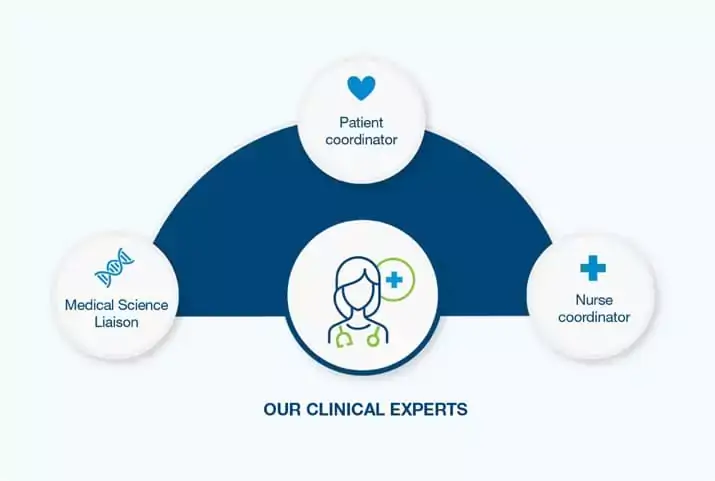
At its core, the model involves three key team members working together:
- A Primary Care Provider (PCP): The patient’s first point of contact, often the one who identifies mental health concerns.
- A Behavioral Health Care Manager: A trained professional who monitors patients, supports treatment adherence, and coordinates communication between providers.
- A Psychiatric Consultant: A psychiatrist who reviews cases, provides guidance on diagnoses, and recommends medication adjustments — often without the patient needing a separate visit.
This team communicates regularly, tracks patient progress using standardized measurement tools, and adjusts treatment proactively rather than reactively.
Why Traditional Mental Health Care Falls Short
To understand why the Collaborative Care Model matters, it helps to understand why traditional mental health care often fails.
The average wait time to see a psychiatrist can stretch from weeks to months. Meanwhile, a patient experiencing depression or anxiety is struggling every single day. Many patients never make it to a specialist at all. They abandon the referral process, find the costs prohibitive, or simply don’t follow through when they’re in the depths of a mental health struggle.
Primary care doctors who manage the majority of mental health diagnoses often lack the time, training, and resources to provide adequate psychiatric care. A 15-minute appointment leaves little room for nuanced mental health assessment and monitoring.
The Collaborative Care Model bridges this gap by embedding psychiatric expertise into primary care settings without requiring every patient to navigate a separate mental health system.
How the Model Actually Works
A patient comes into their primary care appointment. Their doctor notices signs of depression or anxiety, perhaps a high score on a standard screening tool. Rather than simply referring the patient elsewhere and hoping for the best, the care manager steps in.
The care manager contacts the patient regularly, monitors their symptoms using validated scales, and ensures they understand their treatment plan. Behind the scenes, the psychiatric consultant reviews the case, advises on diagnosis, and recommends medication or therapy adjustments. The PCP implements those recommendations.
This process continues until the patient reaches their treatment goals. If they plateau or don’t respond to initial treatment, the model calls for a systematic review not passive waiting. Getting a proper psychiatric evaluation at the right time ensures the foundation of this care is solid.
The Evidence Behind Collaborative Care
The Collaborative Care Model isn’t just a theoretical framework it’s one of the most robustly studied approaches in healthcare. Decades of randomized controlled trials show that it consistently outperforms usual care for depression, anxiety, PTSD, and other common mental health conditions.
Studies show patients in collaborative care programs achieve symptom remission faster, maintain their improvements longer, and experience better physical health outcomes alongside their mental health gains. Because mental and physical health are deeply interconnected, treating them together produces compounding benefits.
Collaborative Care and Medication Management
Medication plays a major role in many patients’ mental health journeys. Within the collaborative model, medication management is handled with unusual precision — because the psychiatric consultant is continuously reviewing cases rather than seeing a patient once every few months.
This means medication adjustments happen based on real tracking data, not just patient self-report during sporadic appointments. When something isn’t working, the team knows earlier and responds faster.
Therapy’s Role in Collaborative Care
Effective mental health care is rarely just medication. Counseling and therapy remain essential components of treatment for most conditions. Within a collaborative framework, therapy is coordinated with medical management so your therapist and prescriber are aligned rather than operating in isolation.
This alignment matters. Mixed messages between providers, conflicting treatment approaches, and uncoordinated care plans are common sources of treatment failure. Collaborative care eliminates these problems by design.
Who Benefits Most From Collaborative Care?
While almost anyone can benefit from coordinated care, the Collaborative Care Model particularly helps:
- Patients with complex presentations multiple diagnoses or physical and mental health conditions together
- People in underserved areas with limited access to psychiatric specialists
- Patients who are reluctant to seek specialty mental health care but are comfortable with their primary care provider
- Individuals who’ve struggled with engagement in traditional mental health systems
Taking the First Step
Whether you’re dealing with depression, anxiety, ADHD, or another mental health concern, you deserve care that’s coordinated, consistent, and built around your needs.
Explore the services available at Safer Psychiatry to understand how integrated, comprehensive psychiatric care works in practice. For questions or to get started, contact us directly.
You can also explore specialized services including genetic testing to understand how your biology interacts with medication, and emotional support animal services as a complement to your broader mental health care plan.
FAQ
Frequently Asked Questions
Is the Collaborative Care Model only used in primary care settings?
While it originated in primary care, the model’s principles of coordinated teams, measurement-based care, and proactive adjustments are increasingly applied across various healthcare settings.
Does collaborative care replace the need for a psychiatrist?
No. A psychiatric consultant remains central to the model. The difference is how their expertise is delivered more efficiently and to more patients through consultation and team coordination.
Is collaborative care more expensive than traditional care?
Validated measurement tools like the PHQ-9 for depression and GAD-7 for anxiety are used regularly to track symptoms objectively and guide treatment decisions.
Is collaborative care more expensive than traditional care?
Research shows it’s often more cost-effective because it reduces emergency care, hospitalizations, and the costs associated with untreated or undertreated mental illness.
Can I request collaborative care if my providers don't currently coordinate?
Yes you can advocate for communication between your providers. Alternatively, seek a practice that already uses an integrated care approach.