Genetic Methylation Testing:
How It Works and Why It Matters
for Your Health
Genetic methylation testing reveals how your genes are regulated and what it can mean for your overall health and wellness.
Genetic methylation testing is a simple health test that looks at how your genes are turned on or off. It helps understand your body’s function, disease, risk, and nutrient needs. Doctors use it to find hidden health issues early and guide better lifestyle, diet, and treatment choices for improved wellness overall.
What Is Genetic Methylation Testing?
Genetic methylation testing is a DNA analysis that identifies mutations in genes responsible for controlling the methylation cycle, one of the most fundamental biochemical processes in the human body. Methylation occurs over a billion times per second in every cell, regulating gene expression, neurotransmitter production, hormone detoxification, DNA repair, and immune function. When key genes in this cycle are mutated, the entire system slows down, often producing a cascade of symptoms that conventional medicine struggles to explain. Genetic methylation testing pinpoints exactly where these blockages occur, allowing clinicians and individuals to make targeted, evidence-based interventions rather than treating symptoms blindly.
The Methylation Cycle Explained
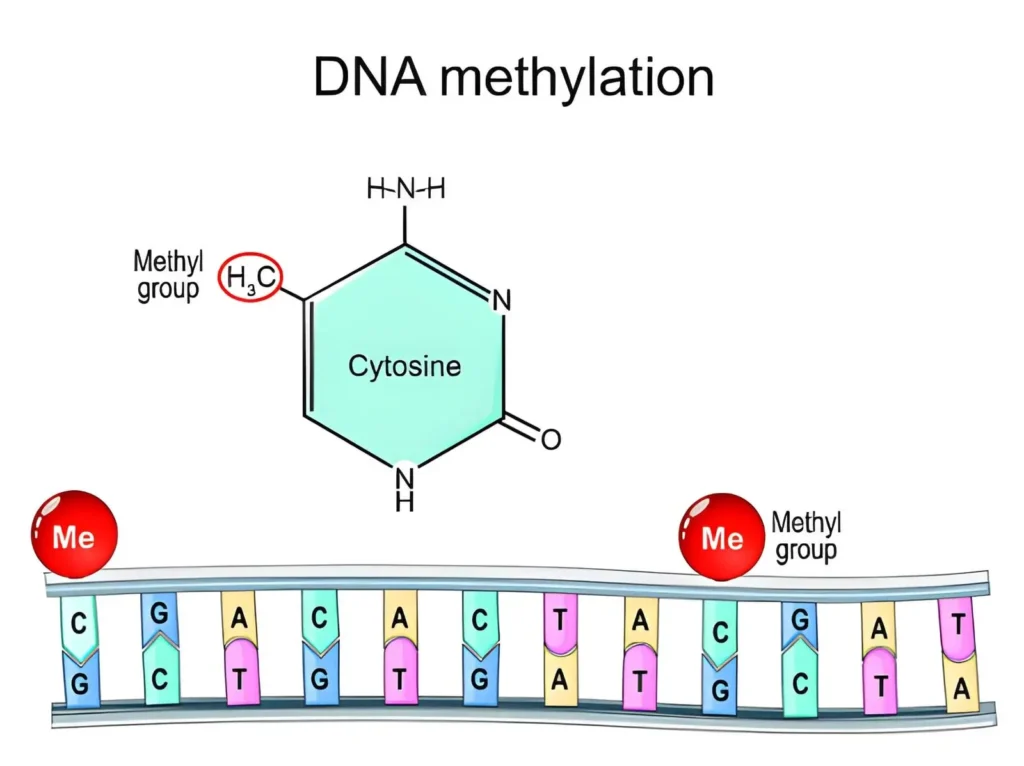
To understand genetic methylation testing, you need a basic grasp of what methylation does. At its simplest, methylation is the transfer of a methyl group of one carbon atom bonded to three hydrogen atoms from one molecule to another. This transfer activates or silences genes, converts amino acids, produces critical brain chemicals, and neutralizes toxins including heavy metals, excess estrogen, and environmental pollutants. The primary methyl donor in the body is SAMe (S-adenosylmethionine), which is produced through the methylation cycle. When genetic methylation testing reveals impaired genes in this pathway, it means SAMe production is insufficient and every downstream process suffers accordingly.
Key Genes Analyzed in Genetic Methylation Testing
A comprehensive genetic methylation testing panel examines multiple genes across the methylation network. MTHFR is the most critical variant; C677T and A1298C reduce enzyme activity by 40–70%, severely limiting active folate (5-MTHF) production. COMT determines how quickly dopamine, epinephrine, and estrogen are broken down; slow variants can cause anxiety, estrogen dominance, and emotional hypersensitivity. MTR and MTRR control B12 metabolism and recycling, while CBS regulates the transsulfuration pathway, which channels homocysteine into glutathione, the body’s master antioxidant. Genetic methylation testing that covers all these variants gives a complete picture of your methylation health, not just one isolated piece.
How Is Genetic Methylation Testing Performed?
The practical process of genetic methylation testing is simple: a saliva swab or small blood draw is all that’s needed. The sample is processed by a certified genetics laboratory that identifies your specific SNPs across the relevant gene panel. Results typically arrive within 2–4 weeks and include a detailed report of your variants and their functional significance. The critical step, however, is clinical interpretation. Raw SNP data without professional context can be confusing or even alarming. This is where working with a specialized provider becomes essential. Safer Psychiatry offers dedicated genetic testing services that combine laboratory analysis with expert psychiatric interpretation, ensuring your genetic methylation testing results are translated into actionable, safe health strategies.
Genetic Methylation Testing and Mental Health
The link between genetic methylation testing and mental health is one of the most clinically significant findings in modern psychiatry. The methylation cycle is directly responsible for synthesizing serotonin, dopamine, norepinephrine, and melatonin. Individuals with impaired MTHFR function often have chronically low neurotransmitter levels not because of psychological circumstances, but because their biology cannot produce adequate amounts. This biochemical reality means that standard antidepressants, which work by recycling existing neurotransmitters, may offer minimal benefit if the underlying production machinery is broken. Genetic methylation testing identifies this root cause, enabling clinicians at Safer Psychiatry’s therapy and counseling services to design treatment plans that address brain chemistry at the genetic level.
Practical Steps After Receiving Genetic Methylation Testing Results
Once genetic methylation testing reveals your specific variants, the most common intervention is targeted supplementation with methylated B vitamins. Methylfolate (5-MTHF) and methylcobalamin (active B12) bypass impaired MTHFR enzymes and directly support the methylation cycle. However, starting these supplements without guidance can trigger overmethylation, a state marked by irritability, racing thoughts, insomnia, and worsening anxiety especially in individuals with slow COMT variants who are already sensitive to excess methyl groups. Proper titration requires professional oversight. For comprehensive support that blends genetic insight with mental health care, emotional support animals can also play a meaningful role in managing anxiety during this transition, a service offered through Safer Psychiatry’s ESA program.
Who Should Pursue Genetic Methylation Testing?
Genetic methylation testing is valuable for a wide range of individuals, from those with serious health conditions to those simply seeking to optimize performance and longevity. You should strongly consider genetic methylation testing if you experience treatment-resistant depression or anxiety, chronic fatigue without clear cause, recurrent miscarriages (strongly linked to MTHFR), cardiovascular risk factors like elevated homocysteine, hormonal imbalances, autoimmune conditions, or a family history of mood disorders, addiction, or neurodegenerative disease. Even healthy, high-functioning individuals benefit from understanding their methylation profile; it allows proactive optimization of brain health, energy, and aging before problems arise. To begin with professional guidance, reach out through Safer Psychiatry’s contact page.
FAQ
Frequently Asked Questions
What is this test?
It checks genes affecting how your body processes nutrients, brain chemicals, and detox functions.
How is it different from epigenetic testing?
One looks at fixed genes, while the other studies changes influenced by lifestyle and environment.
Can it diagnose depression or anxiety?
No, but it may show imbalances linked to brain chemistry affecting mood and behavior.
How accurate is it?
It is reliable for gene detection, but expert interpretation is needed for meaningful results.
How do I start?
Consult a qualified provider who can guide testing and create a personalized care plan.